

How Hardcore is Thriving in this Digital Age
From basement gigs to Insta stories, heavy metal is navigating a new era of digital dominance whilst fiercely guarding its underground spirit. We speak to bands Frail and Paresthesia to understand what it means to be metal in the 21st century.
By Iris Littleton
Listen here
Heavy metal has always been a sound of defiance. From its birth in the sweaty clubs of Birmingham to the rise as a global force, the genre thrives on rebellion and an unshakable sense of community. But what happens when that underground energy collides with the algorithm-driven digital age?
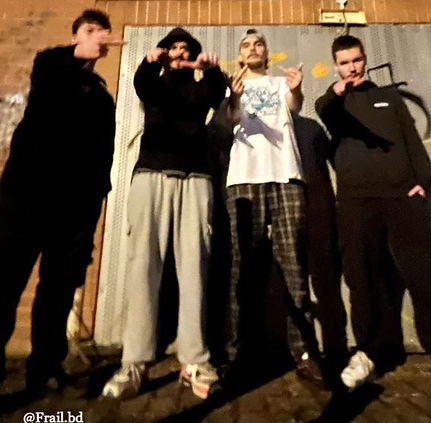
Balancing the genre’s raw power with modern tools has been key to its survival. Frail started in the classrooms of a college in Essex and has now evolved into a powerhouse of high-energy live performances that now shine in DIY venues. “A small show with a crowd giving you loads of energy is the best type of show to play,” says their bass player Cameron.
Paresthesia, however, emerged from a casual WhatsApp message that simply asked, “Who wants to start a band?” But beyond their blistering sound, the group brings political and social issues to the forefront. “We want people to have fun in the mosh pit, but also think about the messages in our music,” explains vocalist Brea.
At its core, the DIY ethos remains the heartbeat of the metal scene. These raw, intimate gigs forge deep connections between bands and their fans. However, the digital landscape has added both opportunities and challenges. Social media platforms are now essential for bands trying to expand their reach. “Followers and listeners play such a big role in determining your band’s visibility, which means so many great ones get lost in the mix,” says Cameron.
For Paresthesia, platforms like Instagram provide not just exposure but also a way to foster inclusivity. “The scene is definitely becoming more inclusive, seeing girls go crazy in the pit is so sick,” says Brea, “but we need to keep uplifting queer and underrepresented bands, giving them the platforms they deserve.”
For many artists, the digital age is both a blessing and a curse. “Social media has changed the music industry entirely,” says Cameron. “You now have access to countless platforms for promotion, but at the same time, it’s so easy to get lost in the algorithm.”
Platforms like Instagram and TikTok allow bands to bypass traditional gatekeepers, reaching audiences directly. However, the very nature of these platforms often demands a level of polish and self-promotion that some in the scene find at odds with metal’s DIY ethos.
Brea agrees. “Social media has definitely helped bands reach a wider audience, expanding their listener base to other countries,” she explains. But there is a flip side. “It being so accessible means people who don’t understand what the scene is and what it stands for start integrating themselves in,” adds Callum, Frail’s lead guitarist.
The tension between tradition and modernity is evident even among fans. In an online survey conducted by us, over 80% of respondents stated that social media is vital for promoting bands. However, just under 20% felt that social media dilutes the ‘underground feel’ of heavy metal.
Despite the challenges posed by digital platforms, the underground ethos of heavy metal remains remarkably resilient. “The underground scene is still alive, especially in hardcore,” says Callum, “We’re always seeing the same dedicated people coming to gigs, no matter where in the country it is.”
More than 400 pubs in England and Wales shut their doors for good in 2024, so the presence of performances is now more important than ever. Cameron recalls a defining moment for Frail. “The first time we played a proper show at the Star in Kent, everyone in the room was throwing down and two-stepping to the majority of our set. That was the moment I thought, ‘This is wicked’.”
Small venues and DIY shows remain the lifeblood of the genre. Sam, Frail’s drummer, puts it in perspective: “A sh*t band can hide behind production and a flashy stage show in a big venue. There’s no hiding in a DIY basement show.”
These smaller, rawer performances foster an unparalleled bond between artists and their audiences, offering something that’s nearly impossible to replicate online.
While social media has opened doors, the financial realities of being an independent artist remain harsh. “Money is the main issue,” says Callum. “Music is expensive. From getting new instruments to maintaining them, promoting your music, and even recording it.”
For bands in metal, the DIY ethos isn’t just a cultural preference; it can be a necessity. From sharing gear to self-funding tours and relying on community support are just a few of the ways artists make it work. But the process can often be frustrating. “Fitting all my f*cking gear in the car is such a pain,” jokes Sam, bringing some levity to the hustle.
Meanwhile, the rise of streaming platforms like Spotify has redefined how artists earn a living. While these services provide exposure to global audiences, they rarely translate into instant income. Bands have increasingly turned to alternative revenue streams like merchandise, live shows, and crowdfunding to sustain themselves – a testament to their resourcefulness and a reality that continues to uphold the underground spirit, even in the digital age.
As the genre continues to evolve, one thing remains clear, metal’s resilience is unmatched. “At the end of the day, no one’s at a show to try and be cool,” says Sam. “You’re all there to listen to screaming music. No one there is ‘cool.’”
This unapologetic authenticity is what keeps the scene vibrant. From sweaty DIY basement gigs to viral TikTok clips that bring new fans into the fold, heavy metal is finding ways to thrive in the modern age whilst staying true to its roots.
“It’s about having fun and making music that people can beat each other up to live,” Cameron laughs. For bands like Frail and Paresthesia, the future isn’t about choosing between tradition and modernity—it’s about finding harmony between the two.
And as Brea puts it, “Metal is something I just want to be surrounded with, from the music to the community. I’m happiest when I’m at a show, getting to be part of something bigger than myself.”
In the end, that’s what metal is all about: connection, release, and an unyielding defiance of the mainstream. Whether it’s shared in a cramped venue or amplified through digital platforms, metal will always find a way to make its presence known.


