No Comment and the Power of Art in UK Prisons
Shedding light on the stories of resilience and creativity in the UK’s criminal justice system.
By Irene Molina Garzon


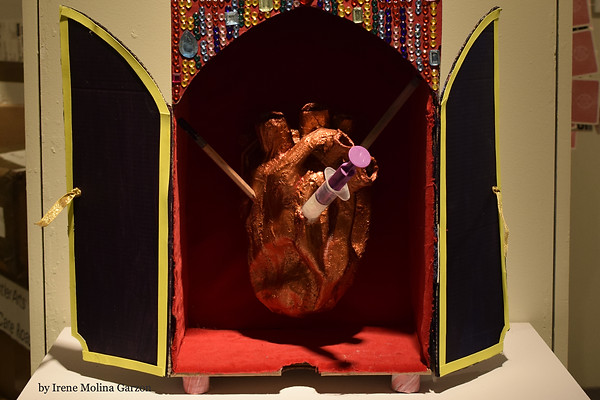
For decades, Koestler Arts has been changing lives through creativity, offering an uncommon outlet for self-expression within the UK’s prison system. Each year, the oldest prison charity in the UK curates an exhibition showcasing artworks by people in the criminal justice system, giving a platform to those behind prison walls. No Comment, their latest event at the Southbank Centre, is a striking testament to the depth of talent and the stories that very rarely get told.
Curated by British artist Jeremy Deller and former inmate-turned-artist John Costi, this year’s exhibition featured 200 pieces selected from over 7,000 submissions. But the significance of the exhibition goes beyond a single event. It raises questions about the role of art in rehabilitation, the challenges prisoners face in accessing creative education, and what happens after someone is given the opportunity of reinvention through art. Through the work of Koestler Arts, a pioneering force in the UK’s prison arts movement, one is invited to explore how creativity can transform lives, even if the journey starts in the darkest of places.
But, what makes Koestler Arts different to other UK prison charities? Koestler Arts engages directly with the public through exhibitions, helping to challenge stereotypes and reduce stigma around former prisoners. The charity provides incarcerated people with the opportunity to submit their work for awards and receive mentorship.
Fiona Curran, CEO of Koestler Arts and a member of the organisation for over 15 years, highlights the life-changing impact of the program: “Almost every day, I’m reminded of a situation in which art has changed someone’s life. Some of them may sound like a smaller change (confidence to get back into education, mental health benefits) but for some people, this program changes their lives in an even bigger way, which is John’s case, for example.”
John Costi’s journey exemplifies the revolutionary power of this initiative. Once incarcerated, Costi discovered his artistic side through the program. After submitting his work as a participant, he received an overwhelming amount of positive feedback, which became the light guiding him out of the “dark place he was in when he started”. He progressed from participant, to mentee, to art handler. Eventually, he earned an art scholarship in Venice, where he met Deller, renowned Turner Prize-winning artist who mainly explores socio-political themes in his work.
For Costi, the project rapidly felt a deep responsibility. “On the second day, I started looking at it differently,” he recalls. “I felt like I was representing the people inside and wanted to reflect what it had done for them and what it could do for other people.”
However, what surprised him the most was the incredible amount of talent inside, he admits, smiling proudly and shaking his head. “Most people inside, myself included, didn’t have a good experience with the education system and were probably told they were bad news from very young,” he adds. “Being put in an art room and praised for it was a good experience that made me get something good out of education, which is really inspiring and beneficial for many prisoners.”
Success stories of artists like John’s highlight the potential for rehabilitation through art, but systemic challenges remain. Jeremy Deller describes how prison environments vary dramatically: “Each school (and prison) has a different personality; if the governor thinks art is a good thing, they will give the space and the resources for it. Some of them might have good art rooms, some of them might not have one at all.”
As I wandered through the exhibition, John approached me and shared more about his personal journey. He spoke about how lost he felt when he first entered prison and how discovering art through Koestler Arts gave him something to strive for. “This program was the light I was following,” he told me.
The reality, however, is that many UK prisons suffer from outdated facilities, overpopulation, and a lack of resources. John is candid about the limitations of the system, and states that one can’t “expect prison itself, the way it’s approached in the UK right now, to rehabilitate someone.”
“You can only hope that an individual will take an artistic journey and then they might confront the things that led them to prison in the first place,” Deller concludes.
Research has consistently shown that creative engagement reduces recidivism and supports mental health. A study conducted by Australian researchersd Sarah Tucker and Johannes M. Luetz reveals that art therapy for incarcerated individuals can have benefits for their emotional and psychological well-being, improve their mental health and foster positive social interactions, among others.
John believes many prisoners struggle because their deeper issues remain unaddressed: “It starts a lot earlier than prison. There’s always something that happened, something they didn’t address or something they couldn’t escape.” Through art, many incarcerated individuals can finally confront these personal challenges in a meaningful way.
Fiona Curran stresses that financial support remains the charity’s biggest challenge and adds that, while awareness and feedback are valuable, financial contributions are crucial: “Giving feedback is great, spreading the word is helpful, but in the end, financial support is the easiest and most effective way to keep Koestler Arts alive.”
Supporting initiatives like Koestler Arts isn’t just about helping individuals in prison, it’s about challenging the stigma around those with experience in the criminal justice system and recognizing the role creativity can play in resettlement. Public engagement, whether by visiting exhibitions, giving feedback, spreading awareness, or providing financial support, ensures that these programs continue to make a difference.
For many, art is not just a hobby but a turning point, proving that rehabilitation isn’t just about serving time: it’s about rediscovering oneself and forging a new path forward. The question isn’t whether art can change lives in prison; it already does. The question is whether we, on the outside, will choose to support it.